Commercial Snow Removal in Southern Maryland:
A Pre-Season Checklist for Property Managers

Southern Maryland doesn't get buried in snow every winter, and that's exactly what catches property managers off guard. One overnight storm, or a quarter inch of freezing rain on a Tuesday morning, and your parking lot, sidewalks, and entrances become a liability before the first employee pulls in. The properties that stay open and safe are the ones that planned in November, not the morning of the storm.
If you manage an office building, retail center, HOA, church, medical office or industrial site in Calvert, St. Mary's, Charles or southern Anne Arundel County, here's the checklist we walk through with commercial clients before the season starts.
1. Lock In Your Snow Removal Contract Early
Reliable snow contractors fill their routes before the first forecast, and the properties signed up first get serviced first. Waiting until a storm is on the radar usually means paying premium rates, or not getting a crew at all.
Before you sign, make sure you understand how you're being billed. The most common setups are:
- Per push or per visit: you pay each time the crew plows or treats the property. Good for mild winters, unpredictable in heavy ones.
- Per event: one price per storm, regardless of how many trips it takes.
- Seasonal: a fixed price for the winter. Easier to budget, and you're covered no matter how many storms hit.
Also ask about the trigger depth (how many inches before plowing starts), whether ice treatment is included or billed separately, and what the response time is for your property.
2. Walk the Property and Mark Hazards Before the Ground Freezes
Once snow covers a lot, curbs, parking islands, wheel stops, drainage inlets and landscape beds disappear. That's how plows end up tearing up turf, cracking curbs and scraping islands.
Do a site walk with your contractor now and mark:
- Curb lines, parking islands and speed bumps (snow stakes or reflective markers)
- Storm drain inlets, which need to stay open so meltwater has somewhere to go
- Fire hydrants, fire lanes and ADA-accessible parking spaces and ramps
- Irrigation heads, low walls and landscape lighting near paved edges
- Priority areas: main entrances, loading docks, dumpster access, emergency exits
3. Decide Where the Snow Goes
Every lot needs a plan for where plowed snow gets stacked. Piles in the wrong spot block sightlines at exits, take away parking, smother shrubs and trees, and send meltwater (and salt) across walkways where it refreezes overnight.
Good stacking areas are downhill from walkways, away from storm drains and building entrances, and not on top of landscape beds or tree root zones. If your lot is tight, ask whether your contractor can relocate snow after heavy storms.
4. Choose the Right Ice Control, Not Just the Most Salt
In Southern Maryland, ice is often a bigger problem than snow. Freeze-thaw cycles and freezing rain make overnight refreezing on sidewalks and entrances the most common slip hazard.
- Brine pre-treatment: a salt solution applied before a storm keeps snow and ice from bonding to the pavement, so cleanup is faster and you use less material overall.
- Rock salt: inexpensive and effective in typical Southern Maryland winter temperatures, but it loses effectiveness as temperatures drop well below freezing.
- Calcium or magnesium chloride blends: work at colder temperatures and act faster. Worth it for entrances, steps and ramps.
More salt isn't better. Over-application damages concrete, kills turf and plantings along walkways, gets tracked into your building, and washes into the creeks and tidal rivers that feed the Chesapeake Bay. A good contractor applies the right material at the right rate for the conditions.
5. Protect Concrete, Pavers and Landscaping
Deicers are hard on hardscape. New concrete (generally anything poured within the last year) and decorative surfaces like stamped concrete are especially vulnerable to scaling and surface damage. If your property has these surfaces, let your contractor know so they can use a gentler product there, and consider having stamped concrete resealed before winter.
For landscaped areas along walks and parking edges, salt spray and salty snow piles can burn evergreens and stunt shrubs by spring. Choosing salt-tolerant plants for those edges, and keeping snow piles off beds, saves you replacement costs later. Our commercial landscaping team can help plan plantings that hold up next to paved areas.
6. Keep Records of Every Visit
If someone slips on your property, you'll want to show the site was maintained. Ask your contractor for service logs that include the date, time, work done (plowing, shoveling, deicing) and material applied. Keep a copy of their certificate of insurance on file, and check with your own insurer about what documentation they recommend.
7. Plan for Tree and Limb Hazards
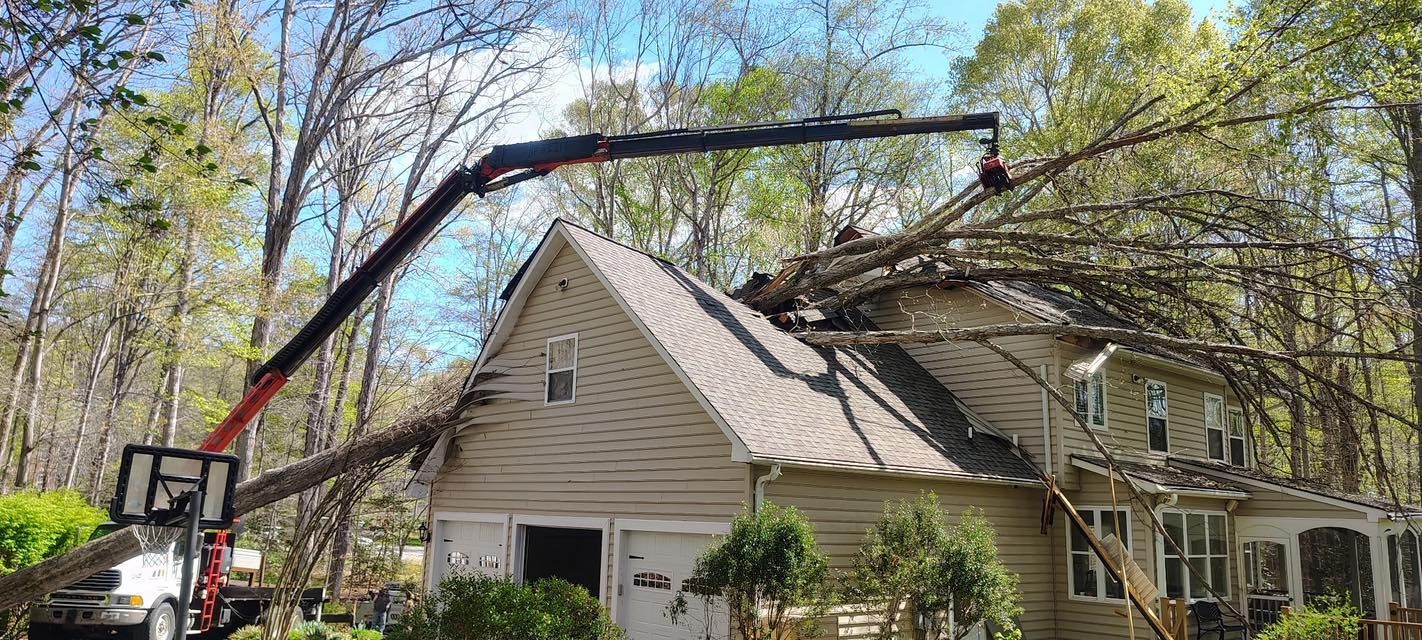
Heavy wet snow and ice add a lot of weight to tree limbs, and Southern Maryland's ice storms are notorious for bringing down branches over parking lots, walkways and power lines. Before winter, have overhanging limbs near entrances, parked cars and roofs inspected and trimmed. As a licensed Maryland tree expert, Honey Cove can handle the tree work and the snow removal, so you're dealing with one crew instead of two.
Commercial Snow Removal FAQs
When should I book commercial snow removal in Southern Maryland?
Ideally in October or November, before the first winter storm. Contractors' routes fill up early, and properties under contract are serviced first.
What's the difference between snow removal and ice management?
Snow removal is plowing and shoveling accumulated snow. Ice management is pre-treating and deicing pavement to prevent and melt ice. In Southern Maryland, where freezing rain and refreezing are common, most commercial properties need both.
Will salt damage my stamped concrete?
It can, especially if the concrete is less than a year old or the sealer has worn off. Resealing before winter and using a gentler deicer on decorative surfaces helps prevent damage.
Does Honey Cove offer residential snow removal?
Honey Cove's snow removal service is focused on commercial properties. Call 443-486-5812 to talk about your property.
Get Your Property on the Schedule
A little planning now means fewer surprises when the forecast turns. Honey Cove Landscaping & Tree Services provides commercial snow removal for businesses and property managers across Calvert, St. Mary's, Charles and Anne Arundel Counties. Call 443-486-5812 or contact us for a free quote before the first storm.