Fall Prep for Waterfront Properties
in Southern Maryland

Waterfront properties in Southern Maryland face a fall checklist that inland yards simply don't need to worry about. Between exposed shorelines, higher wind loads, and proximity to the Bay and its tributaries, the prep work you do this fall matters more — and looks a little different — than standard lawn care.
1. Inspect Trees for Wind Risk
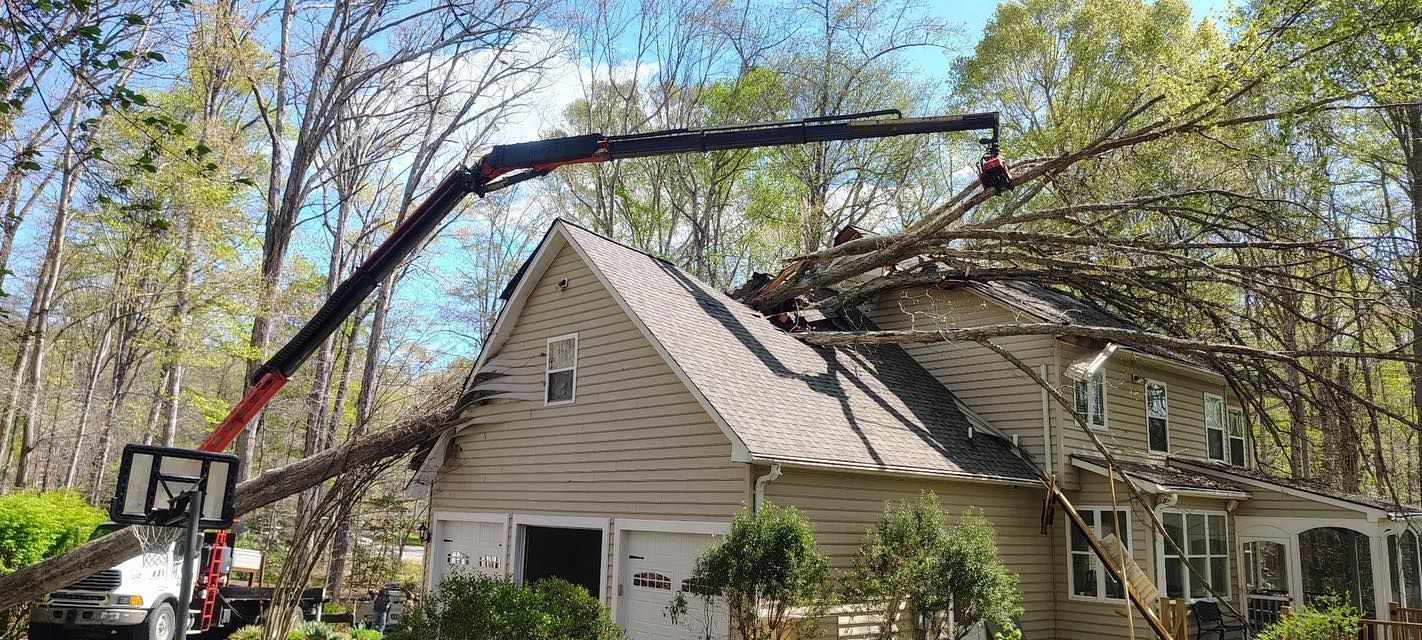
Waterfront lots are more exposed to wind than a typical inland yard, which puts extra stress on trees with weak limbs, root damage, or existing lean. Fall — before winter storms and nor'easters roll through — is the ideal time for a professional tree inspection. A licensed arborist can spot hazards you can't see from the ground, like internal decay or a compromised root system loosened by soil erosion near the water's edge.
2. Check for Shoreline Erosion
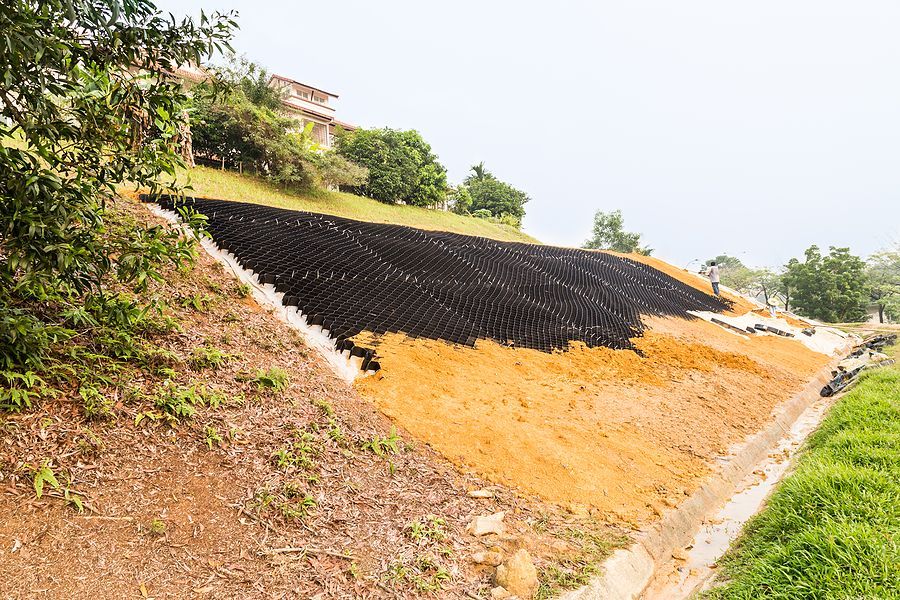
Summer storms and boat wake take a toll on shoreline stability. Walk your property line and look for bare soil, undercut banks, or areas where turf has thinned near the water. Fall is a good window to address erosion control — whether that's reinforcing plantings, adding silt fencing, or a more permanent stabilization solution — before winter rain and freeze-thaw cycles make it worse.
3. Clear Storm Drains and Culverts
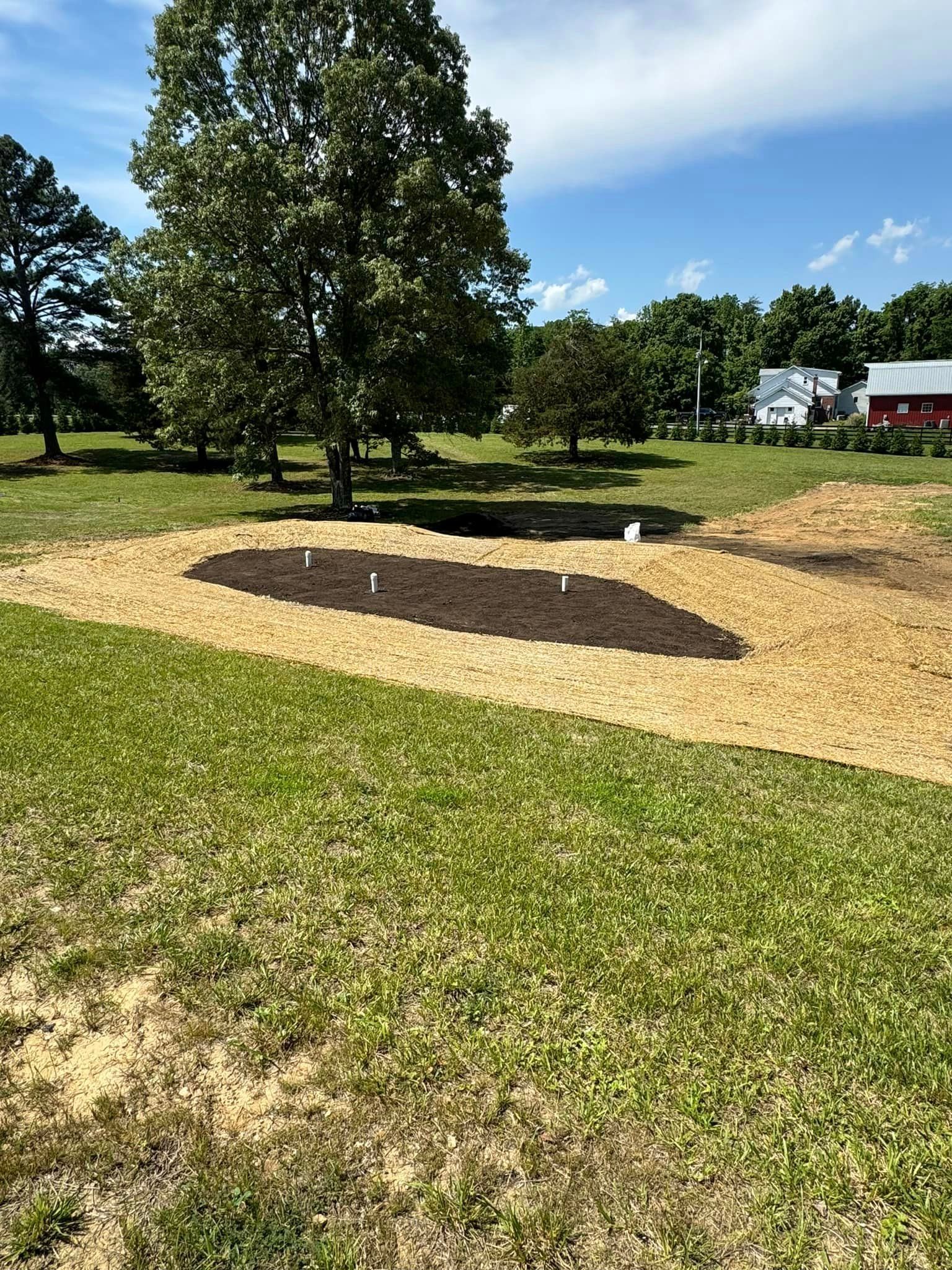
Waterfront and low-lying properties depend on clear drainage to avoid flooding during fall and winter storms. Leaves and debris that collect in culverts, drainage ditches, and storm inlets can back up quickly, so clearing them now — not after the first big storm — is worth the effort.
4. Protect Salt-Exposed Plantings
Plants near the water can take on salt spray during storms and high winds, which stresses foliage even in plants that are otherwise salt-tolerant. A fall application of an anti-desiccant spray on evergreens and shrubs near the shoreline can help reduce winter salt and wind damage.
5. Secure or Store Waterfront Features
Docks, bulkheads, retaining walls, and any loose landscape features near the water should get a fall once-over. Check bulkheads and retaining walls for shifting or gaps that could worsen with winter freeze-thaw cycles, and secure or store anything that could become storm debris in high winds.
6. Don't Skip the Basics
Waterfront prep doesn't replace standard fall lawn care — it adds to it. Mowing, aerating, overseeding thin spots, and fertilizing for root growth all still matter, especially since a healthy, established lawn holds soil in place far better than thin or bare turf, which is one more line of defense against erosion near the water.
Get Ahead of Winter
Waterfront properties take more wear from wind, water, and storms than a typical inland yard, so fall prep is worth taking seriously. If you're not sure where to start, our team specializes in waterfront property preparation and offers tree inspections throughout Prince Frederick, Solomons, and the rest of Southern Maryland — call us for a free estimate before the next storm rolls in.