How will I know when it's time
to remove a tree?
Removing a tree can be both an emotional and financial decision. If you find a dying tree on your property that isn’t a danger to structures, people or pets, you could choose to let it die in place. Why? Wildlife, including woodpeckers, often find food and a place to nest in dead trees. Consider the following:
What is the tree’s health?
If you see that 50% of the tree is damaged, then the tree should be removed. Even though it can survive for many years, its appearance could be adversely affected by abnormal growth.
Is there trunk damage or is the tree hollow?
Look for vertical cracks, dead branches or stubs, and internal decay. You should also look for damage to the main trunk. If the damage is severe, the tree should be removed. However, if tree trunk damage is less than 25% of its circumference, the tree might heal. However, the tree should be removed if 1/3 of the interior of the tree is hollow or rotten.
Does the tree have large dead branches and are all dead limbs on the same side of the tree?
If a large tree has had their tops broken or if there are large damaged limbs, there is a risk of them falling and injuring people, pets or damaging your home, cars, or boats. If all of the dead branches are on the same side of the tree, the tree could become off-balance and hazardous. Often dead branches on the same side could be a sign of root or trunk damage. If in doubt, call Honey Cove Landscape & Tree Services for a tree assessment and estimate.
Is the tree leaning?
Trees grow towards the light while preferring to grow upward but will grow at various angles to avoid shade created by other trees and plants. However, if a tree starts to appear to be on a decline and begins to lean, this might be due to unstable roots and the trunk and branches might be weakened and cause the tree to fall.
Here's three more things to consider when making the decision to remove a tree.
- If a tree is removed, will its removal improve the growth of nearby trees?
- Does the tree block line of sight for traffic flow, lights, and signs?
- Does the tree have historic or sentimental value? If so, you might consider trying to salvage the tree keeping in mind that if there is a great deal of damage, it should be removed.
If you have questions about the health or safety of any tree, contact
Honey Cove Landscape & Tree Services for expert advice.
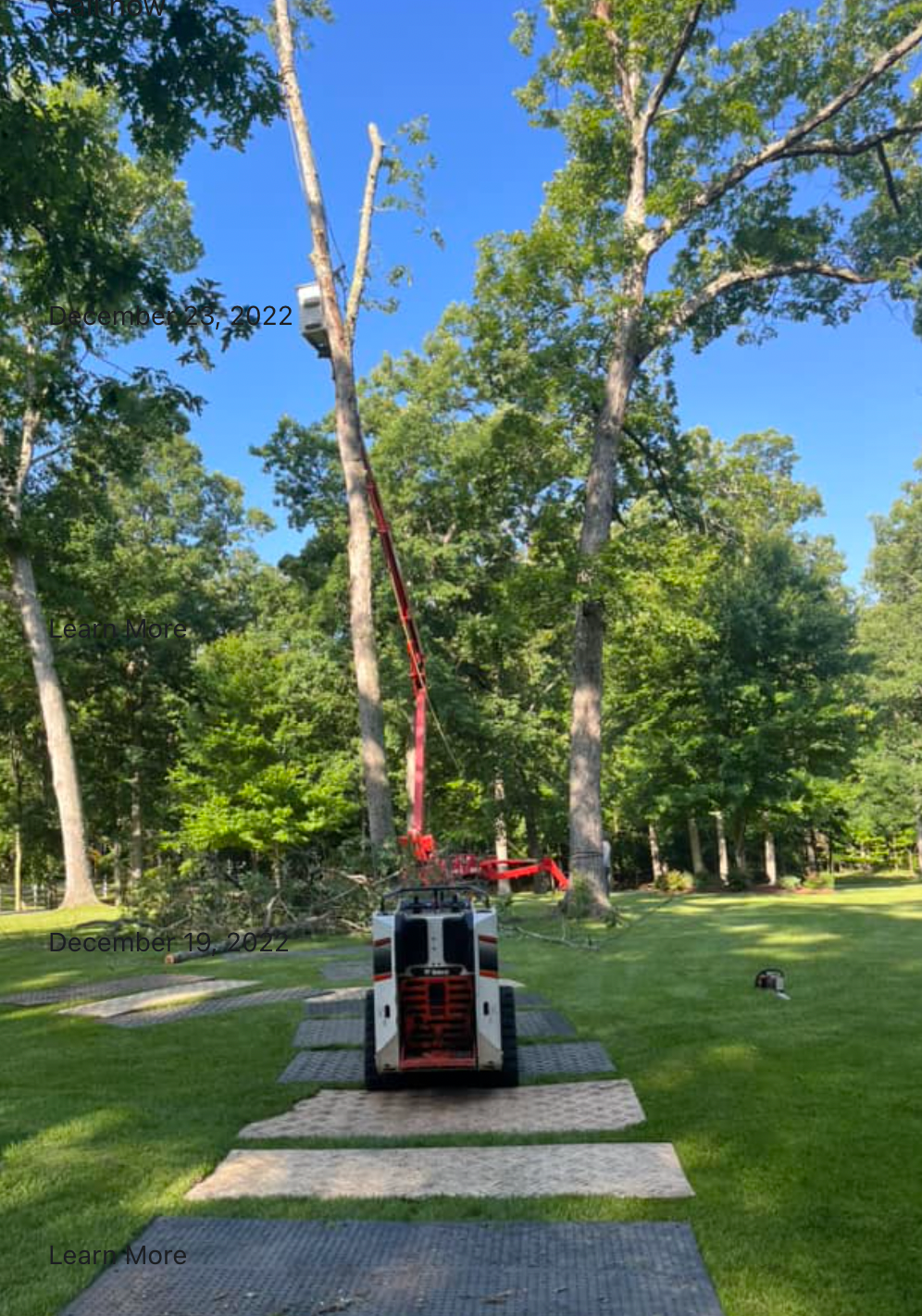
A season-by-season tree care guide for Southern Maryland homeowners: pruning, mulching, watering, pest checks, and when to call a licensed tree expert.
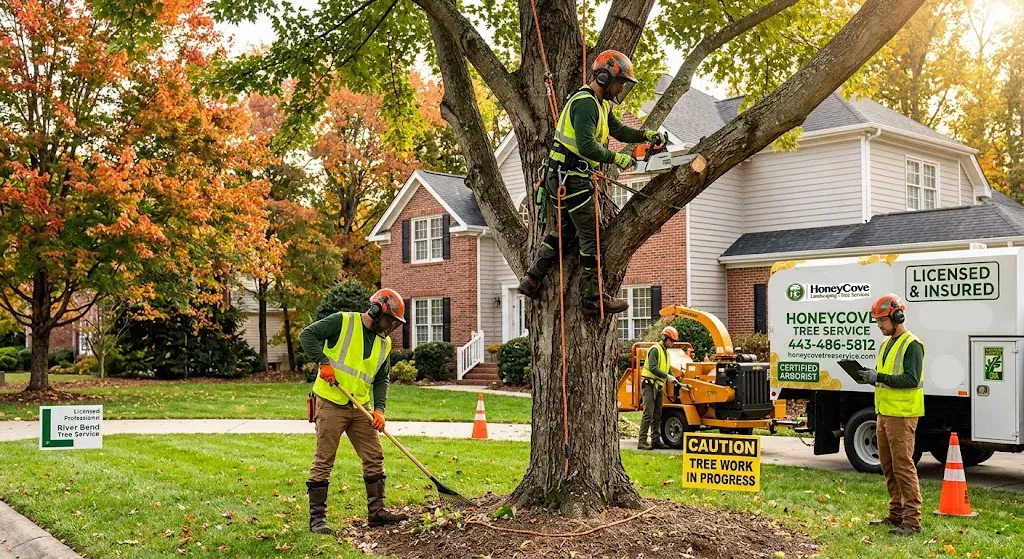
Learn what to look for in a licensed, insured tree service company, from proper permits and certified arborists to equipment and written estimates.
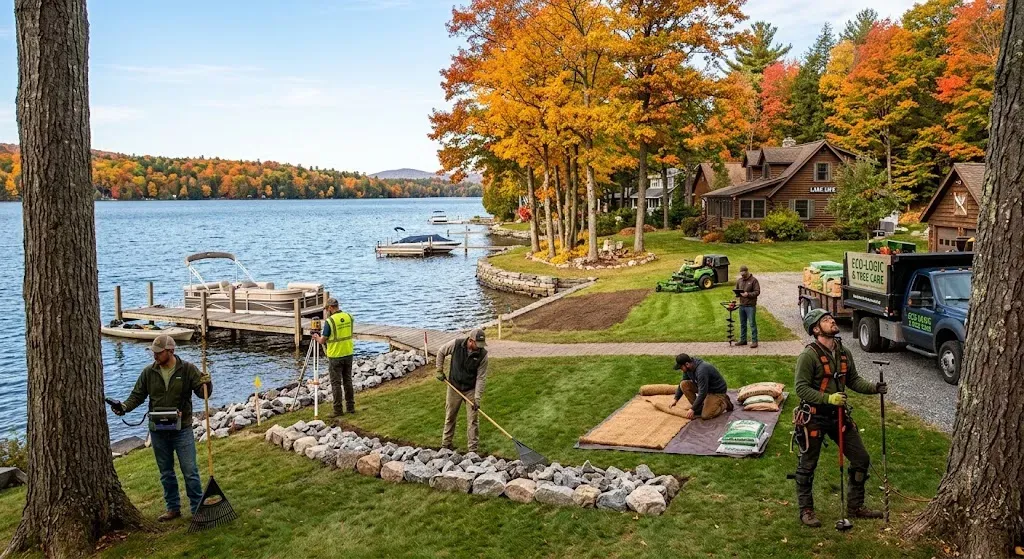
Fall prep tips for Southern Maryland waterfront properties: tree inspections, shoreline erosion, drainage, salt-exposed plants, and storm-ready checks.
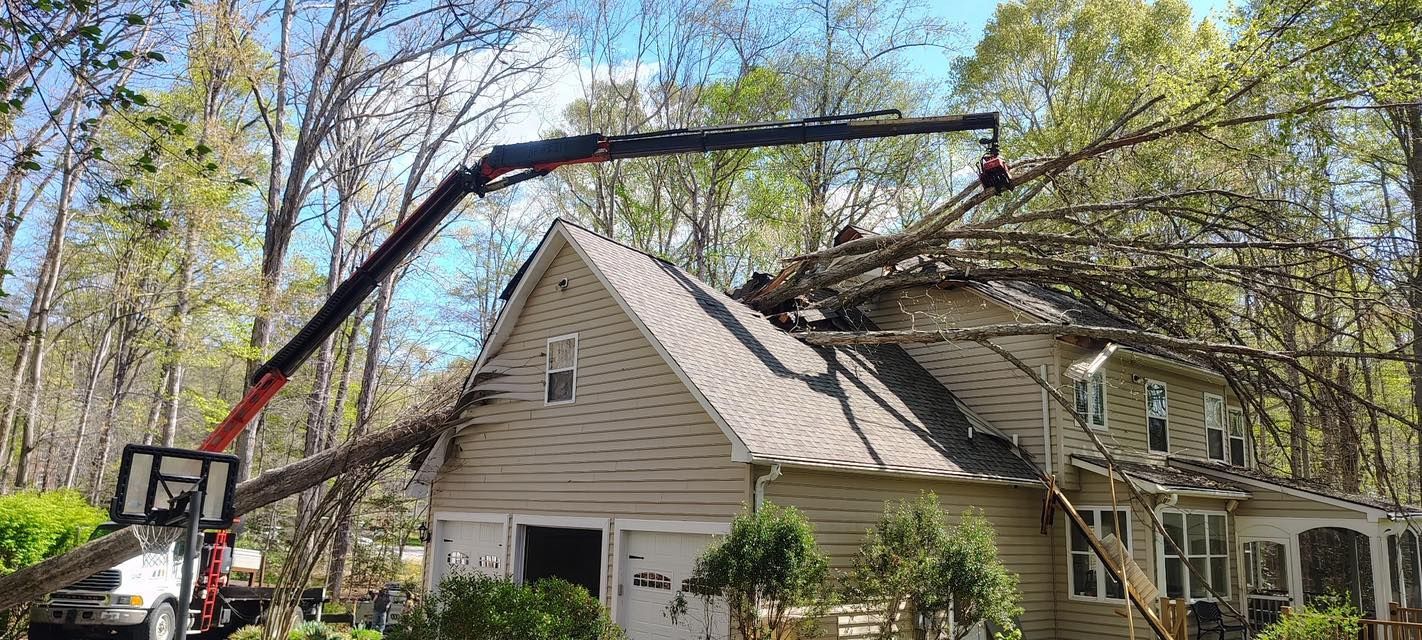
Is Your Tree a Storm Risk? What to Look for Before Hurricane Season Peaks
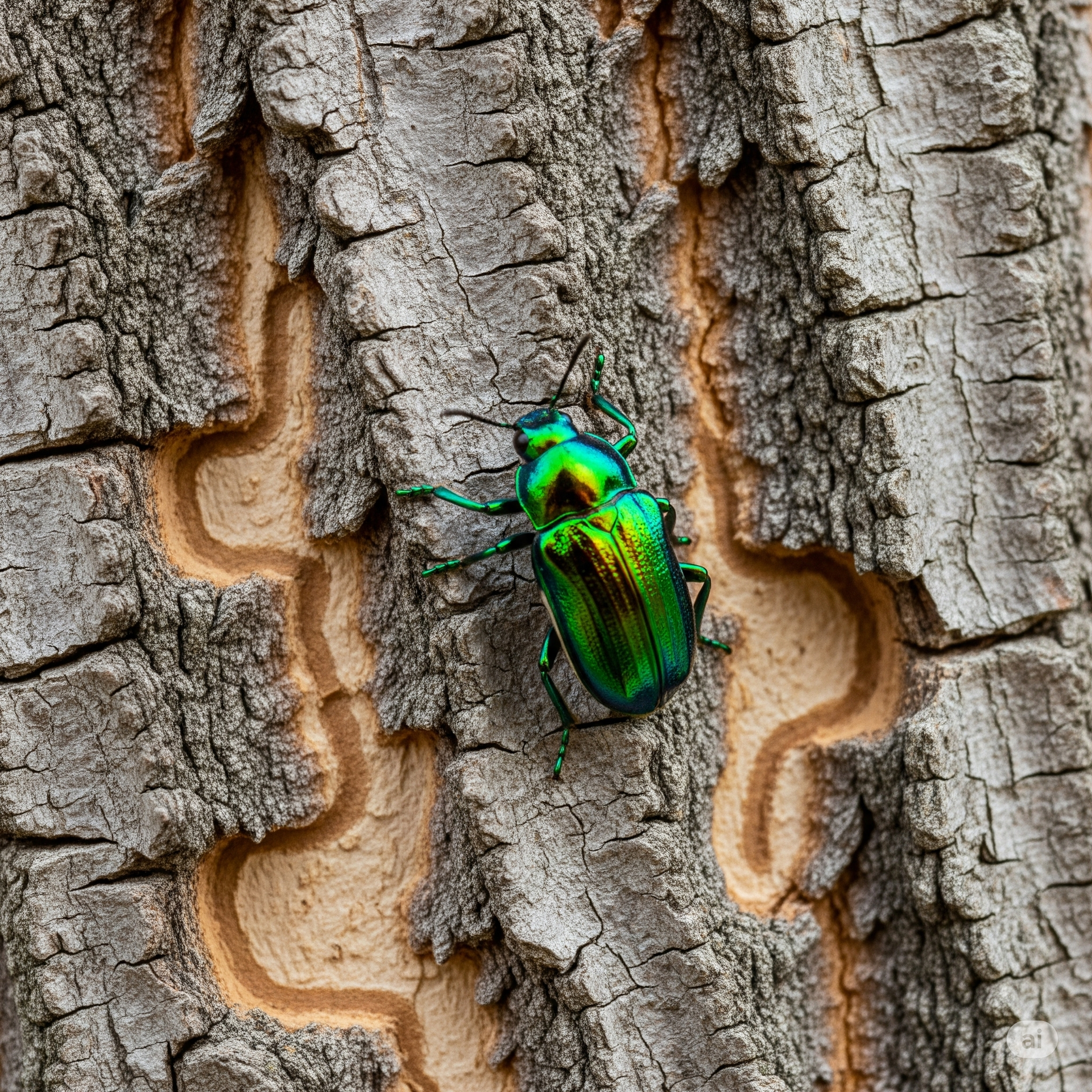
How do I protect my trees from insects & Disease in Southern Maryland?
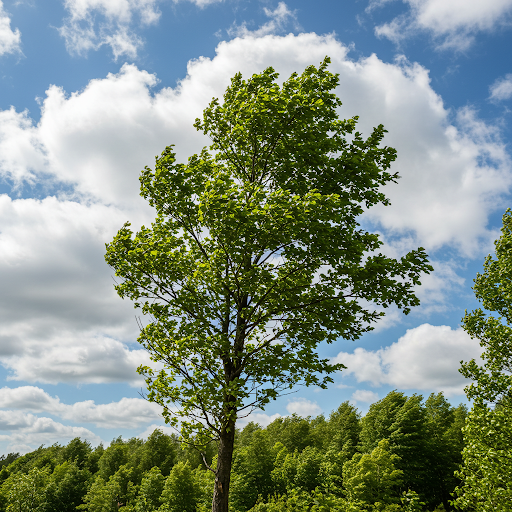
Despite the dangers, there's a certain awe-inspiring beauty in watching tall trees sway and bend in the wind.