
The storm is gone. Now what?
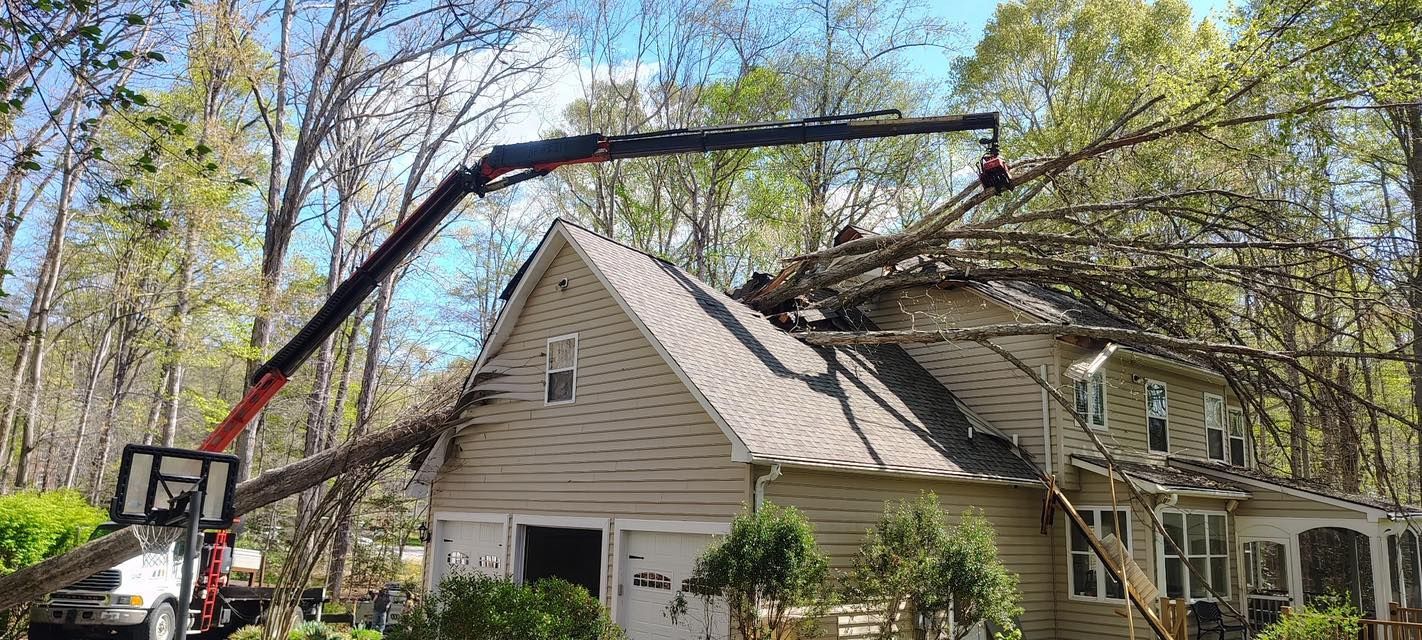
The wind storm this past weekend was intense for anyone living on the East Coast. With winds getting up to 40+ mph and gusts up to 70mph, majority of us had some type of damage to our home or property. Many people were left without power or fallen trees on their property.
We are five days following the storm and many families are still recovering. However, power has successfully been restored to the tri-county area. “The wind storm that hit our area beginning Friday morning caused more damage to SMECO’s electric system than any hurricane or winter storm we’ve experienced in the past six years,” said Austin J. Slater, Jr., president and CEO of SMECO. “The damage to SMECO’s system has been severe and widespread, affecting customers across the entire service area. In total, we experienced 114,000 customer interruptions. We’ve not had this much damage to our system since the derecho that hit in the summer of 2012.”
To say the least, this storm was more than destructive. Between the large number of fallen trees and power outages, people are left unsure of where to begin. First, lets address the fallen and damaged trees in your yard.
CALL A PROFESSIONAL
Whatever you do, do not try to remove a fallen tree off of your home or property. This can result in further damage to your property or worse, injury to yourself. Don’t try to remove any limbs or debris that may still be attached. It is best to contact a professional to come out and look at the damage.
A professional can:
- Evaluate the damage
- Create a plan for removal to eliminate further damage
- Safely remove anything fallen or damaged
- Inspect for any other damaged trees that could be or become a threat
Calling a professional will give you some piece of mind. When a professional comes out to remove the fallen trees you already have, they can conduct survey. A survey will let you know what other trees in the area posses a potential hazard to your home or property. Often times wind storms can cause damage to trees or push them to lean a certain direction. When the next big storm comes through that tree could potentially fall in the direction it is leaning. This could be a hazard for whatever may be in the path.
As tree removal specialists, we know the dangers tree removal can have. It is important to have the proper knowledge and safety equipment needed to properly remove trees following a storm. Please give us a call to set up your FREE tree removal estimate! 443-486-5812
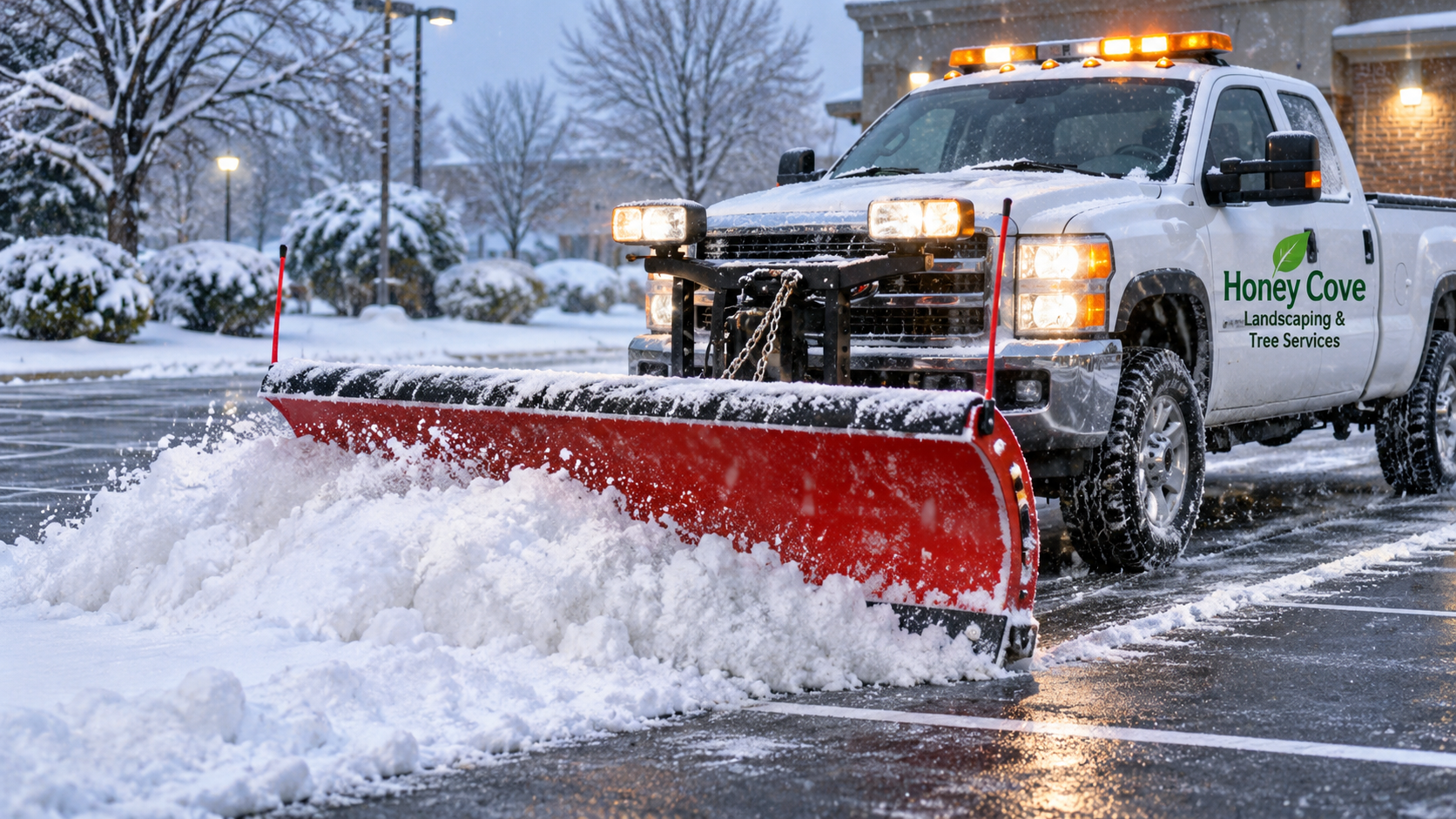
Pre-season snow removal checklist for Southern Maryland property managers: contracts, site marking, salt vs. brine, protecting concrete, and documentation.
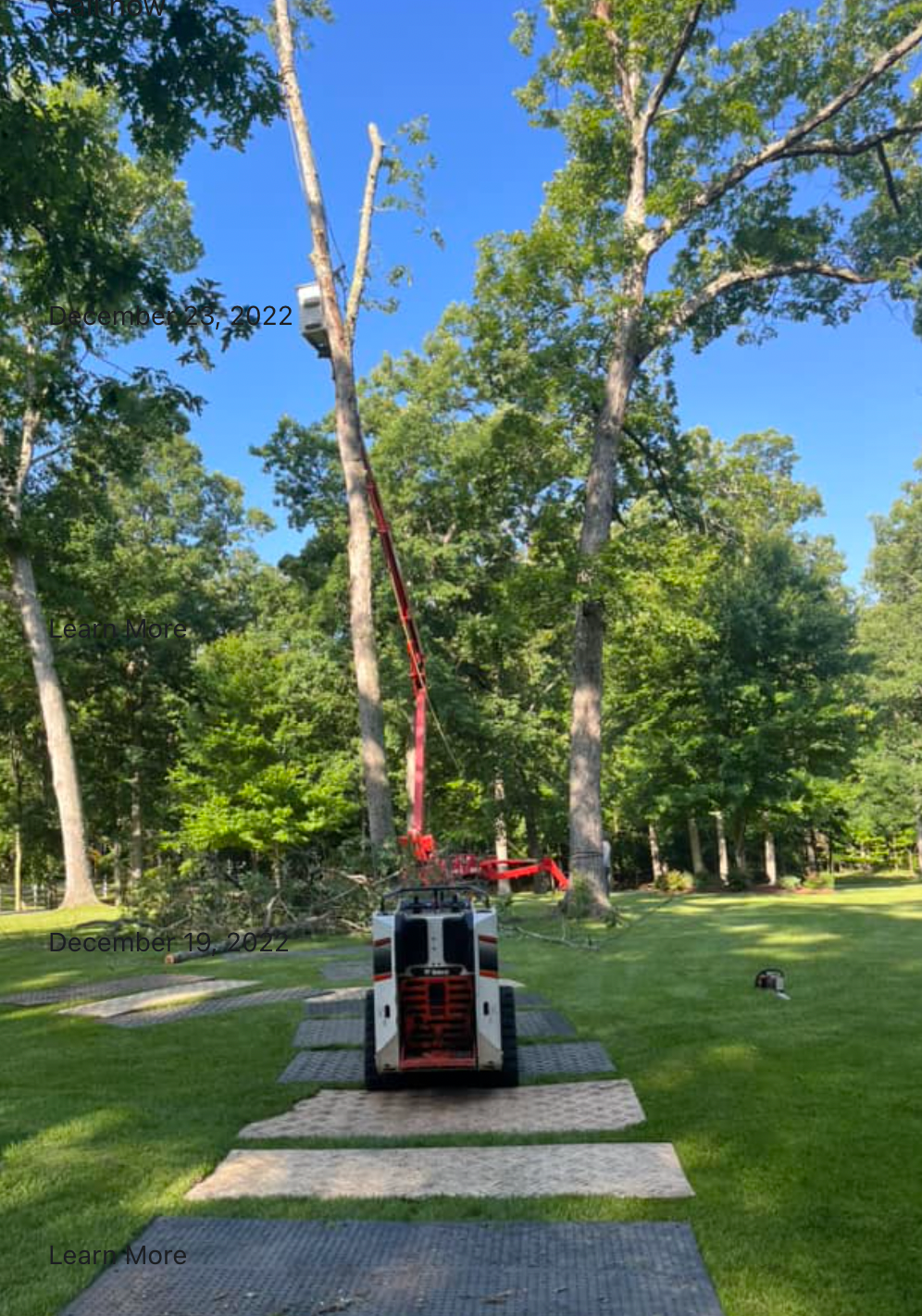
A season-by-season tree care guide for Southern Maryland homeowners: pruning, mulching, watering, pest checks, and when to call a licensed tree expert.
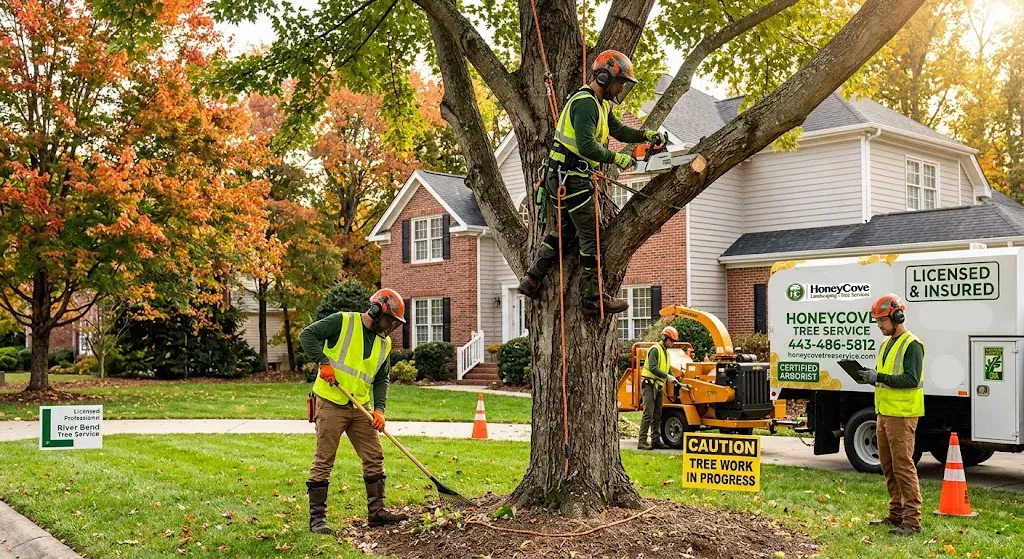
Learn what to look for in a licensed, insured tree service company, from proper permits and certified arborists to equipment and written estimates.
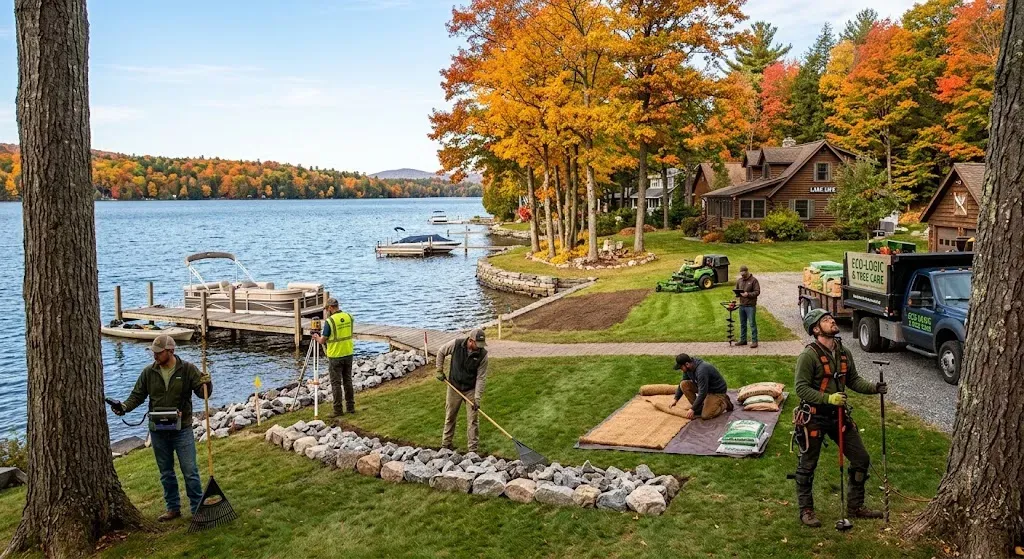
Fall preparation tips for Southern Maryland waterfront properties: tree inspections, shoreline erosion, drainage, salt-exposed plants, and storm-ready checks.
Is Your Tree a Storm Risk? What to Look for Before Hurricane Season Peaks

How do I protect my trees from insects & Disease in Southern Maryland?