Is Your Tree a Storm Risk?
What to Look for Before Hurricane Season Peaks
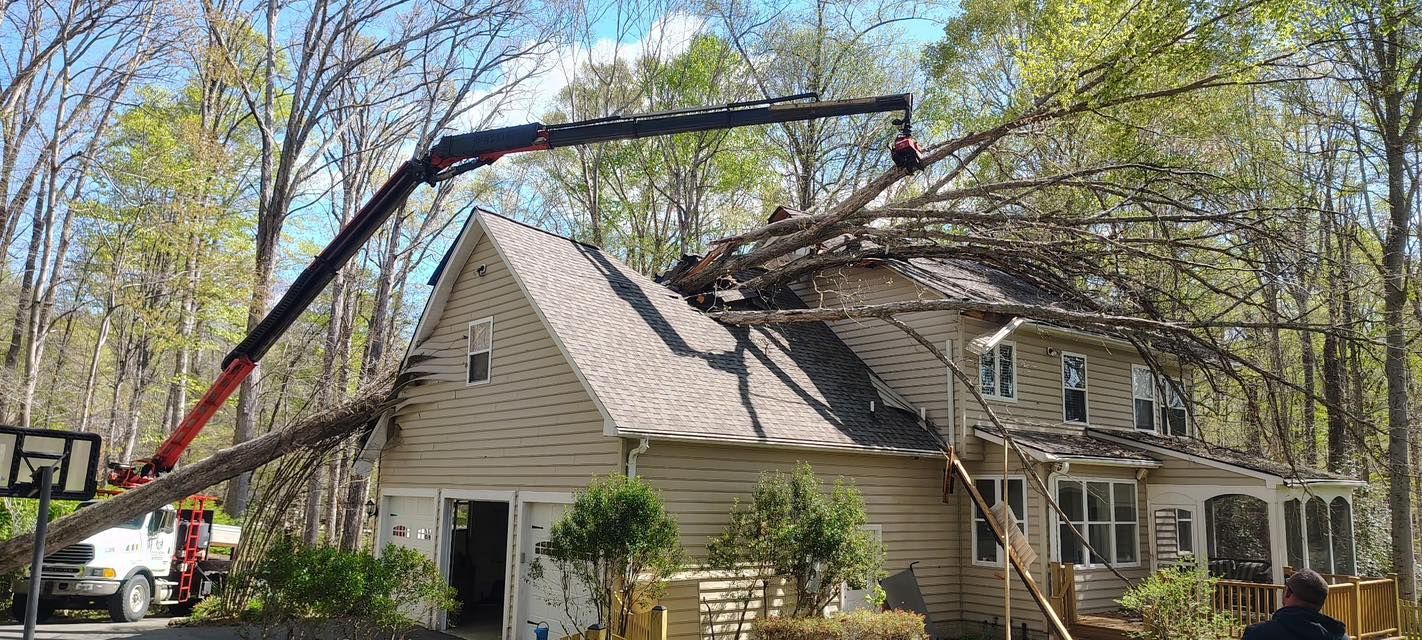
Late summer and early fall bring the highest risk of the year for Chesapeake Bay storm damage. The Atlantic hurricane season runs June through November, but activity historically peaks between mid-August and mid-October — right when Southern Maryland's tropical storms, nor'easters, and remnant hurricane systems are most likely to bring down trees across Calvert, St. Mary's, Charles, and Anne Arundel counties.
For homeowners on waterfront and wooded lots, a few minutes spent walking the property now can mean the difference between a calm storm night and an emergency call. Here's what our crews look for.
Why Southern Maryland Trees are especially Vulnerable
Properties along the Bay and its tributaries face a combination of factors that raise storm risk:
- Saturated soil. Waterfront and low-lying lots hold moisture longer, which loosens root systems and makes trees easier to topple in high wind.
- Mature hardwood canopy. Many neighborhoods from Prince Frederick to Annapolis have older oaks, poplars, and pines with large canopies that catch more wind.
- Open exposure. Cleared waterfront views mean fewer neighboring trees to break the wind before it reaches a single, isolated tree.
Warning signs to check before the next storm
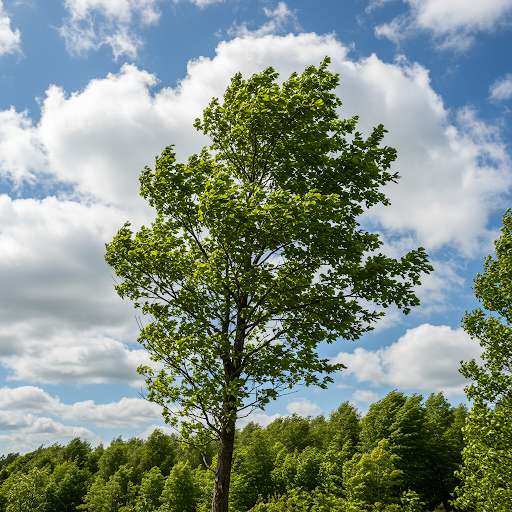
A tree doesn't have to look dead to be dangerous. Walk your property and look for:
- Dead or hanging branches (deadwood) in the upper canopy — these become projectiles in high wind
- Cracks, splits, or seams in the trunk, especially where major limbs branch off
- Mushrooms or fungus at the base, a sign of root or trunk decay
- Leaning that's new or has increased, particularly after recent rain
- Exposed or heaving roots at the base, which can indicate the root plate is failing
- Hollow sounds when the trunk is tapped
- Dead trees near power lines, driveways, or the house — even a small dead tree can cause serious damage from the right angle
If you notice any of these, especially on a large tree near a structure, it's worth a professional risk assessment rather than waiting to see what happens in the next storm.
What to do before a storm hits
- Schedule a hazard tree assessment for anything showing warning signs
- Remove or crane-dismantle confirmed hazard trees before they fail, not after
- Clear deadwood from trees you're keeping so they shed less debris in wind
- Know who to call for emergency response — after a storm is not the time to start searching
What to do if a storm brings a tree down
If a tree falls on your property — especially onto a structure, power line, or vehicle — don't attempt removal yourself. Downed trees are often under tension, may be tangled with live power lines, and require specialized equipment to remove safely. Honey Cove provides emergency storm cleanup throughout Calvert, St. Mary's, Charles, and Anne Arundel counties, including fallen tree removal, debris clearing, and post-storm property assessment.
Waterfront properties need extra attention
If your property sits within Maryland's Critical Area — generally within 1,000 feet of tidal water — tree removal is regulated, and storm-damaged trees near the shoreline can also affect erosion control. Our
Waterfront Property Preparation service is built specifically for this: assessing hazard trees, managing critical area regulations, and preparing shoreline properties before storm season rather than after.
Frequently Asked Questions