The Importance of Stabilizing Soil in
a Hardscaping Project
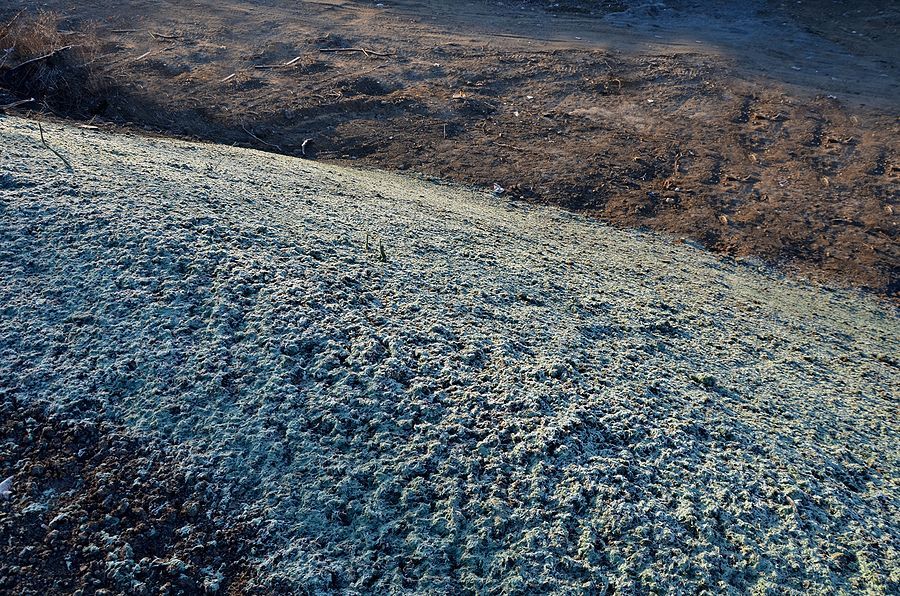
Soil stabilization is a crucial process that plays an important role in many construction projects. The process involves the addition of various materials to the soil to increase its strength and resistance to erosion. Soil stabilization is necessary because weak and unstable soils can cause significant damage to structures built on top of them. This damage may occur due to soil movement caused by temperature changes, heavy rain, and wind.
Soil stabilization helps to prevent this by ensuring that the soil is sufficiently compacted and resistant to erosion. In addition, stabilized soil can support heavier loads, making it ideal for construction projects that need a solid foundation. Soil stabilization is also important in road construction, where it can improve road performance and reduce maintenance costs. Ultimately, soil stabilization ensures the longevity and durability of construction projects, making it an important consideration in any building project.
Soil stabilization is crucial in hardscaping projects for several reasons:
- Provides a sturdy foundation: The stability and strength of a hardscape depend heavily on the stability of the soil underneath. Soil stabilization ensures that the soil is compacted and secure, providing a solid foundation for the hardscape materials.
- Prevents soil erosion: Soil erosion can cause damage to hardscape features and also lead to safety hazards. Stabilizing the soil reduces the risk of soil erosion, ensuring the longevity and safety of the hardscape.
- Controls moisture: Proper soil stabilization helps to control moisture levels in the soil. Too much moisture can cause the soil to shift or become unstable, while too little moisture can cause cracking and other damage to the hardscape.
- Increases durability: By stabilizing the soil, the hardscape is less likely to shift or settle, which ensures its durability and longevity.
- Saves money: Proper soil stabilization can save money in the long run by reducing the need for repairs or replacement of the hardscape due to soil instability.
Overall, soil stabilization is an essential component of any hardscaping project, as it ensures the hardscape's stability, durability, and safety and saves money in the long run.